


Mental Training Techniques for Racers

In the high-stakes world of racing, mental fortitude can be the decisive factor between victory and defeat. While physical preparation is undeniably important, the psychological aspect of racing plays a crucial role in achieving peak performance. This article delves into effective mental training techniques that can help racers enhance their focus, manage stress, and optimize their performance on the track.
Mental techniques serve as a powerful complement to physical training, enabling racers to harness their full potential. Visualization, for example, is a key strategy that allows athletes to mentally rehearse their races before they even begin. By vividly picturing each turn and acceleration, racers can create a mental roadmap that paves the way for success.
Another essential component of mental training is the practice of mindfulness. This technique helps racers remain present in the moment, increasing their awareness of surroundings and improving decision-making abilities during high-pressure situations. By incorporating mental exercises into their routines, racers can develop not only resilience but also a winning mindset that can propel them to the finish line ahead of their competitors.
Visualization Strategies to Enhance Performance
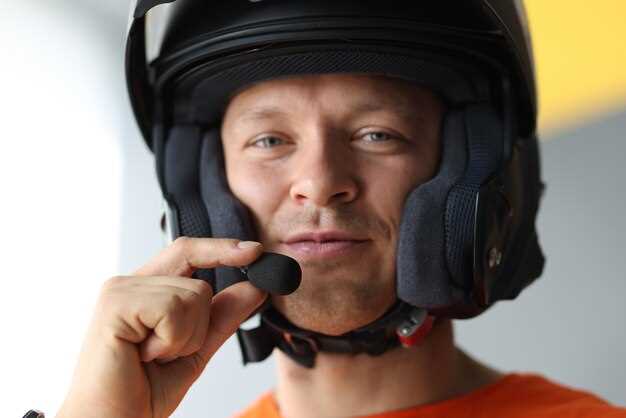
Visualization is a powerful mental training technique that athletes can employ to enhance their racing performance. By creating vivid mental images of successful outcomes, athletes can improve their focus and overall mental resilience. This strategy not only helps in preparing for competitions but also plays a significant role in daily training routines.
One effective visualization strategy is to imagine the entire race from start to finish. Athletes should visualize each segment, including the feel of their bodies in motion, their breathing patterns, and the sense of determination. This comprehensive mental rehearsal allows them to become familiar with the demands of the race and mentally prepares them to handle various scenarios.
Another important aspect of visualization is to incorporate positive affirmations. Athletes should focus on generating positive images related to their performance, such as crossing the finish line with a personal best time. By repeatedly visualizing success, they cultivate a strong mental belief in their abilities, which can significantly boost confidence during actual race conditions.
Additionally, it is crucial to visualize potential challenges. By mentally rehearsing how to handle obstacles, such as fatigue or adverse weather conditions, athletes can maintain their focus and adapt strategies when faced with unexpected circumstances. This adaptability can make a significant difference in competitive scenarios.
Engaging all the senses during visualization enhances the effectiveness of the practice. Athletes should not only rely on visual images but also incorporate sounds, smells, and feelings associated with racing. This multisensory approach creates a more immersive experience, fostering a deeper mental connection to their goals.
Incorporating visualization into a daily routine can further enhance its benefits. Seeking quiet time, preferably in a relaxed state, allows athletes to focus deeply on their imagery. Consistent practice can lead to improved mental clarity, allowing athletes to maintain focus during intense competition.
In summary, visualization strategies are essential tools for athletes seeking racing success. By honing their mental focus and employing effective imagery techniques, athletes can enhance their performance and approach races with greater confidence and determination.
Breathing Exercises for Improved Concentration
In the high-pressure environment of racing, mental clarity is crucial for achieving optimal performance. Concentration can often wane due to stress and distractions, but incorporating breathing exercises can significantly enhance focus and calmness.
One effective technique is the 4-7-8 breathing method. Start by inhaling through your nose for a count of four, holding your breath for seven counts, and then exhaling slowly through your mouth for eight counts. This structured pattern helps to regulate your heart rate, allowing your mind to settle before a race.
Another useful exercise is diaphragmatic breathing. Sit comfortably or lie down, placing one hand on your chest and the other on your abdomen. Breathe in deeply through your nose, ensuring your diaphragm inflates (your abdomen should rise more than your chest). Exhale slowly, focusing on the sensation of releasing air. Practicing this regularly can deepen relaxation and sharpen focus during races.
Visualization can also be integrated with breathing exercises. As you perform deep breathing, imagine yourself on the track, executing perfect maneuvers and maintaining focus. This combination can anchor your mind, reducing anxiety and enhancing mental preparedness.
Incorporating these breathing techniques into your daily routine can improve concentration, making you mentally resilient and better equipped for the demands of racing. Training your mind alongside your body creates a holistic approach to racing success.
Routine Development for Mental Stability on Race Day
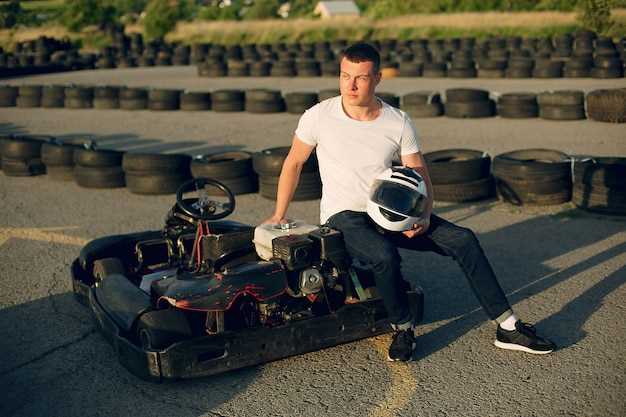
Establishing a consistent routine is essential for achieving mental stability on race day. A well-structured routine reduces anxiety and enhances focus, enabling racers to perform at their best.
Begin by creating a pre-race checklist that includes all necessary items, such as your gear, nutrition, hydration, and any personal items you may need for comfort. This checklist will help eliminate distractions and ensure that nothing important is overlooked.
Incorporate relaxation techniques into your routine, such as deep breathing exercises or meditation. These practices can alleviate stress and promote a calm mindset before the race begins. Dedicate specific time slots in your routine for these exercises to reinforce their importance.
Visualization is another powerful tool for mental preparation. Spend time imagining the racing course, visualizing your performance, and acknowledging potential challenges. This mental rehearsal can boost your confidence and prepare you to handle obstacles during the race.
Nutrition and hydration should also be part of your routine. Know what foods fuel your body best and establish a timeline for when to consume them leading up to the race. Staying well-hydrated is critical for maintaining focus and stamina throughout the event.
Lastly, practice positive self-talk. Rehearse affirmations and motivational phrases that resonate with you. This practice can help shift your mindset, cultivate resilience, and enhance your belief in your abilities on race day.
By developing a structured routine that encompasses these elements, you can achieve greater mental stability on race day, ultimately leading to improved performance and a higher likelihood of success.


