


How to Transport Your Car to the Track Safely

Transporting your car to the track is a crucial step for any motorsport enthusiast. Ensuring that your vehicle arrives safely is essential to maintaining its performance and integrity. One of the most effective ways to achieve this is by using a trailer. However, not all trailers are created equal, and understanding the best methods to secure and transport your car can make all the difference.
When selecting a trailer, consider the type of car you are transporting. Different vehicles may require specific trailer designs to ensure a secure fit. Enclosed trailers are popular for protecting cars from environmental elements, while open trailers are ideal for lighter vehicles. Additionally, proper loading techniques play a significant role in preventing damage during transport.
Once you’ve chosen the right trailer, it’s vital to use appropriate tie-downs and safety measures. Straps and wheel chocks are essential tools that help keep your car in place during transit. Understanding how to properly load your vehicle on the trailer and distribute weight evenly will enhance safety and stability. By following these guidelines, you can ensure a smooth journey to the track while keeping your car in top condition.
Choosing the Right Type of Trailer for Your Vehicle

Selecting the appropriate trailer for transporting your car is crucial to ensure safety and efficiency. The type of trailer you choose will depend on various factors, including the weight and dimensions of your vehicle, the distance of travel, and the terrain you will encounter.
For lighter cars, a single-axle trailer may suffice. This type is typically easier to maneuver and more economical. However, for heavier vehicles, such as racing cars or larger sedans, a dual-axle trailer is recommended. This model provides better stability and weight distribution, reducing the risk of swaying while on the road.
If your vehicle has low ground clearance, consider a flatbed trailer. This design allows for easy loading and unloading, as well as ample support for the car’s undercarriage. Alternatively, a car hauler trailer is versatile and can accommodate various vehicle types, ideal for mixed transport needs.
Don’t overlook enclosed trailers if you want to protect your car from the elements and potential damage during transport. These trailers offer added security against theft, making them a preferred choice for valuable cars. On the other hand, open trailers are more affordable and provide ease of access for quick loading.
Lastly, ensure the trailer is compatible with your towing vehicle. Check the weight ratings and ensure your vehicle can safely tow the chosen trailer combined with your car’s weight. Proper hitch and braking systems are also essential for safe transport.
Preparation Steps Before Loading Your Car onto the Trailer
Before you transport your car to the track, it’s essential to take several preparation steps to ensure a smooth loading process. First, clean your vehicle thoroughly. This not only helps you inspect for any damage but also keeps the trailer clean. Look for dirt or debris in areas like the tires and undercarriage.
Next, check the tire pressure on your car and the trailer. Proper inflation is crucial for safe transport and helps prevent problems during the journey. Inspect your car’s fluids, including oil, coolant, and brake fluid, to confirm that they are at appropriate levels. This guarantees that your vehicle runs smoothly once it reaches its destination.
Remove any loose items from the interior of your car. These can become projectiles during transport, leading to potential damage. Additionally, ensure that your car’s battery is secure; a loose battery can shift and cause electrical issues while on the trailer.
Verify that the brake and steering systems are functioning properly. A thorough test allows you to identify any potential issues before loading onto the trailer, ensuring safe handling throughout the transport process.
Lastly, familiarize yourself with the loading procedure. Use ramps suitable for your car and trailer type, and ensure that the trailer is level before loading. If possible, have a spotter assist you during the loading process to provide guidance and enhance safety.
Best Practices for Securing Your Car During Transport
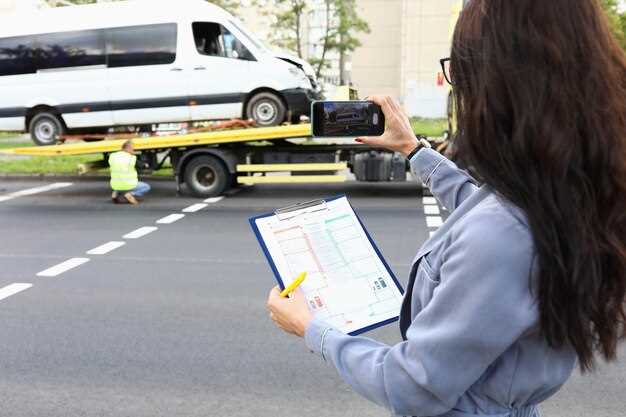
Ensuring the safety of your car during transport is crucial for any track enthusiast. Properly securing your vehicle not only prevents damage but also ensures that it arrives in a condition that allows for immediate enjoyment upon arrival. Here are key practices to follow.
1. Use Quality Tie-Down Straps: Invest in high-quality, heavy-duty tie-down straps specifically designed for vehicle transport. These should have a sufficient load capacity to support your car’s weight. Opt for straps with ratchet mechanisms for a secure hold.
2. Anchor Points: Identify the designated anchor points on your car and the transport vehicle. Always use these points for tying down your car to ensure it remains stable during transit. If unsure, consult your vehicle’s manual for optimal anchoring locations.
3. Wheel Chocks: Place wheel chocks behind the rear tires to prevent any movement. This is especially important if you’re transporting a rear-wheel-drive vehicle, as it helps in securing your car from any backward shift during transport.
4. Check Tension: After securing your car, check the tension of the tie-down straps to ensure they are snug but not overly tight. Straps that are too tight can cause damage to your car’s suspension or chassis, while loose straps may allow for movement.
5. Protect Sensitive Areas: Use protective covers or pads to shield areas of your car that might be vulnerable during transport. This includes bumpers, side mirrors, and the specific contact points where straps may rub against the body of the vehicle.
6. Regular Inspection: During long-distance transport, periodically stop to inspect the securement of your car. Look for any signs of wear or looseness in the straps and ensure that nothing has shifted during transit.
7. Use a Suitable Transport Vehicle: Ensure that the vehicle or trailer you use for transport is appropriate for your car’s size and weight. A well-fitted transport method minimizes the risk of shifting and damage.
Adhering to these best practices will enhance the safety of your car during transport, allowing you to focus on the excitement of hitting the track rather than worrying about the condition of your vehicle upon arrival.


