


How Electric Cars Are Changing Motorsports
The realm of motorsports is undergoing a transformational phase, significantly influenced by the rise of electric vehicles. As society increasingly shifts towards sustainable energy solutions, the automotive industry is compelled to embrace new technologies. This trend is particularly evident in motorsports, where electric cars are not merely a novelty, but a pertinent force reshaping the competitive landscape.
Electric vehicles (EVs) offer unique advantages that could redefine the essence of racing. The incorporation of electric technology brings a new dimension to speed, efficiency, and environmental responsibility. As such, the embrace of electric cars in motorsports is not just a response to ecological concerns, but a strategic move to capture the attention of a new generation of fans who value sustainability and innovation.
Moreover, the evolution of electric racing series, such as Formula E, demonstrates a promising shift in the spotlight of motorsports. These series prioritize advancements in battery technology and energy management, encouraging manufacturers to innovate beyond traditional combustion engines. This change is pivotal, highlighting the potential of electric vehicles to set trends that will influence future generations of racers and enthusiasts alike.
How Electric Cars are Redefining Race Strategies

The integration of electric cars into motorsports is significantly altering traditional racing strategies. With their unique characteristics, electric vehicles are forcing teams to rethink everything from energy management to tire usage.
One of the most notable trends in racing is the emphasis on regenerative braking. Unlike conventional vehicles, electric race cars can recover energy during braking, allowing teams to allocate this energy strategically throughout the race. Drivers must now balance their speed with the need to conserve energy for critical moments, such as overtaking or defending positions.
Another emerging trend is the deployment of energy deployment strategies. Teams leverage data analytics to optimize when and how to use available energy. This strategic approach enables drivers to maximize acceleration and maintain competitiveness while managing battery life, ultimately redefining how races are won.
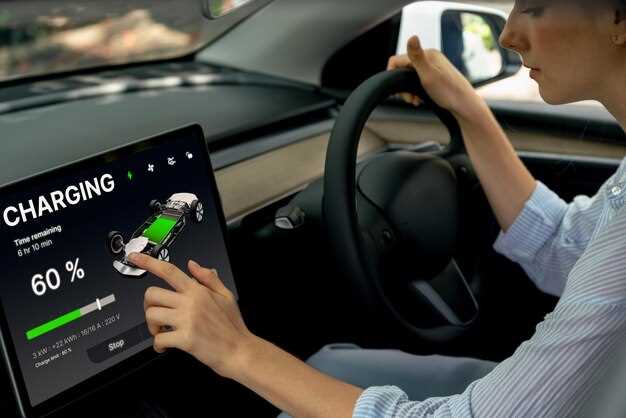
The shift to electric racing also influences pit stop strategies. Unlike traditional refueling, which is relatively quick, electric vehicles may require longer charging times. Consequently, pit strategy now includes considerations for battery levels and charging duration, reshaping team dynamics and race planning.
Moreover, the emphasis on sustainability influences fan engagement and sponsorship opportunities. Teams that effectively embrace electric technologies and innovative strategies can attract eco-conscious sponsors and audiences, thus altering how marketing and branding are approached in the racing world.
As electric vehicles continue to evolve, the trends in racing strategies will undoubtedly develop further, promising an exciting future for motorsports that prioritizes efficiency and technological advancement.
The Role of Battery Technology in Competitive Racing
Battery technology is a critical component in the success of electric racing vehicles. As the motorsport industry evolves towards electric competition, advancements in battery design and performance directly influence race outcomes. High energy density batteries allow electric cars to exceed longer distances on the track while maintaining competitive speeds. This capability is essential in a racing environment, where performance and reliability are paramount.
Efficiency is another vital factor driven by battery innovations. Improved thermal management systems prevent overheating during races, enabling teams to push their electric vehicles to the limit without compromising safety. Fast-charging capabilities are equally crucial, allowing for quick pit stops and reducing downtime during events. These elements contribute significantly to strategic race planning and team competitiveness.
The integration of advanced battery management systems provides teams with real-time data to optimize their electric cars’ performance. By monitoring factors such as charge levels, temperature, and power output, teams can make timely adjustments to enhance speed and efficiency. This data-driven approach is transforming how racing strategies are developed and executed.
Additionally, the sustainability aspect of battery technology cannot be overlooked. As the racing world shifts towards environmentally friendly practices, eco-conscious battery production methodologies are becoming more prevalent. This transition not only aligns with global sustainability goals but also attracts a new demographic of fans who value green initiatives in sports.
Ultimately, the role of battery technology in competitive racing is pivotal. Ongoing research and development in this field will continue to shape the future of electric motorsports, determining how teams innovate and compete in this rapidly evolving landscape.
Fan Engagement and Sustainability in Electric Racing Events
Electric racing events are revolutionizing the motorsport landscape by prioritizing sustainability while enhancing fan engagement. These events attract a diverse audience that values eco-friendly initiatives and innovative technologies.
One key aspect of fan engagement is the ability for spectators to interact with the electric racing experience. Through digital platforms, fans can track real-time race data, engage with drivers via social media, and participate in virtual reality experiences that bring them closer to the action. This immersive approach not only captivates traditional motorsports fans but also appeals to younger audiences who seek interactive experiences.
Moreover, the sustainability angle has become a significant draw for environmentally conscious fans. Electric racing events often incorporate renewable energy sources, showcasing the potential for sustainable practices in motorsports. Initiatives such as carbon offsetting and zero-emission goals resonate strongly with attendees, fostering a deeper connection to the event and its purpose.
Incorporating educational programs about electric vehicle technology and sustainability themes during events further promotes engagement. Workshops, panels, and demonstrations allow fans to learn more about the benefits of electric racing and its impact on future transport solutions.
Importantly, these racing circuits have the potential to inspire a new generation of engineers and environmental advocates, aligning with broader global sustainability goals. As electric racing continues to evolve, its emphasis on fan involvement and sustainable practices will redefine the future of motorsports.


