


Behind the Scenes of a Racing Pit Crew
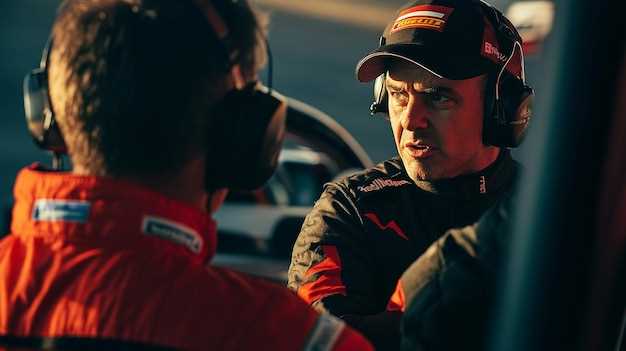
The racing pit crew represents the backbone of a successful motorsport team, performing crucial jobs under extreme pressure during pit stops. Each member of the crew plays a specific role, working in perfect harmony to ensure that the driver can return to the track as quickly as possible. The precision and coordination displayed in the pit are often the difference between victory and defeat in high-stakes races.
In a matter of seconds, the crew executes a series of complex tasks that include changing tires, refueling the vehicle, and making necessary adjustments to optimize performance. The need for speed does not compromise the attention to detail required to avoid mishaps that could jeopardize the race. Every job, from the tire changers to the fuelers, is essential, contributing to a finely-tuned operation that exemplifies teamwork and efficiency.
Understanding the dynamics of a pit crew offers insight into the intricate world of motorsport. Their synchronized movements and unwavering focus not only highlight the importance of training and communication but also describe a unique culture built around adrenaline and competition. In this exploration, we will delve deeper into the roles of individual crew members, the strategies employed during pit stops, and the impact of their performance on race outcomes.
Roles and Responsibilities of Each Pit Crew Member

In the high-stakes environment of racing, the efficiency of the pit crew can significantly impact a team’s performance. Each member of the crew has distinct roles and responsibilities that contribute to the swift execution of pit stops.
- Team Principal: The leader of the pit crew, responsible for strategic planning and communication. They make critical decisions regarding pit strategies during races.
- Tire Changer: Specialized crew members who are responsible for removing and replacing tires. Timing is crucial, and they must operate with precision and speed.
- Tire Carrier: This team member is responsible for delivering the new tires to the car during the pit stop, ensuring that they are in place for the tire changers to do their job efficiently.
- Fueler: In charge of refueling the car during pit stops. This crew member must manage fuel connections and ensure that refueling is done safely and quickly.
- Jack Operator: Responsible for lifting the car off the ground using a jack. This position is crucial for tire changes and must be executed quickly to minimize downtime.
- Data Engineer: Monitors the car’s performance data and communicates any necessary adjustments to the driver during pit stops. They interpret data to assist in strategic decisions.
- Spotter: Although primarily stationed outside the pits, the spotter provides crucial information to the driver about track conditions and the positions of other cars, ensuring a safe return to the track.
Success in racing heavily relies on the seamless coordination of these roles. Each job is integral to the overall performance of the team during a race.
Optimal Pit Stop Techniques for Time Management
Efficient pit stops are crucial in racing, as they can significantly impact overall performance and outcomes. The key to optimal time management lies in precise coordination and execution by every crew member involved. Each individual’s ability to perform their assigned jobs under pressure not only affects the speed of the stop but also the reliability of the vehicle during the race.
One of the most effective techniques for achieving rapid pit stops is the establishment of well-defined roles. Each crew member should have specific responsibilities, minimizing confusion and ensuring that every task is executed swiftly. For instance, tire changers should focus solely on swapping tires, while fuelers concentrate on refueling without distraction. This specialization allows for streamlined processes and reduces the likelihood of errors.
Additionally, practicing pit stop simulations regularly helps to improve teamwork and timing. By rehearsing multiple scenarios, crew members develop muscle memory and efficiency in their jobs. This training also fosters trust among team members, as they become familiar with each other’s rhythm and reactions during high-pressure situations.
Another important technique is the use of advanced tools and technology, such as automated jacks and high-precision fuel rigs. These innovations can reduce the time it takes to perform critical tasks, allowing the crew to focus on their specific jobs without unnecessary delays.
Finally, communication plays a vital role in executing a quick pit stop. A well-coordinated communication system ensures that every team member is aware of the timing and status of the crew, which directly influences the effectiveness of the overall pit strategy. Effective signals and clear commands can dramatically decrease the time spent in the pit lane.
In conclusion, optimal pit stop techniques hinge on defined roles, regular training, advanced tools, and effective communication. By mastering these aspects, racing teams can maximize their time management during pit stops, gaining a competitive edge on the track.
Training Regimens for Success in Pit Crew Operations
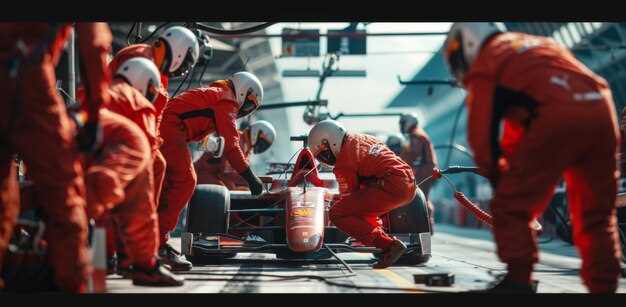
Effective training regimens are essential for pit crew members to excel in their jobs, as the success of a racing team often hinges on the performance of the crew during pit stops. These operations require precise coordination, rapid execution, and unwavering focus under pressure.
One key component of training focuses on physical fitness, as crew members must possess the agility and endurance to perform their tasks quickly and efficiently. Strength training is incorporated to enhance the ability to lift heavy tires and equipment, while cardiovascular exercises improve overall stamina during high-intensity situations.
Teamwork drills play a crucial role in developing seamless communication among crew members. Training sessions are designed to replicate the chaotic environment of a real pit stop, enabling crew members to practice their roles in high-pressure scenarios. By engaging in these drills, crew members learn to anticipate each other’s movements, ensuring that every job is completed in a synchronized manner.
Additionally, simulation training is utilized to familiarize the crew with different racing conditions and scenarios they may encounter. This type of training allows members to adapt quickly to changing circumstances, such as tire changes or refueling, enhancing their decision-making skills and overall efficiency.
Finally, ongoing education about the latest technologies and equipment is vital for the crew to remain competitive. Regular workshops and seminars ensure that crew members stay informed about advancements in racing technology and best practices, equipping them with the knowledge needed to perform their jobs effectively.


