


Stretching Routines for Race Drivers

In the high-speed world of race driving, physicality is as crucial as technical skill. Drivers are often subject to intense G-forces and rapid directional changes, which can lead to muscle strain and fatigue. Incorporating effective stretching routines into a driver’s preparation can significantly enhance performance, promoting flexibility and reducing the risk of injury.
Stretching not only prepares the body for the demands of racing but also aids in recovery following intense sessions. A well-structured stretching regimen can improve range of motion, allowing drivers to maintain optimal control over their vehicles. Furthermore, consistency in these routines can enhance overall muscle endurance, enabling drivers to maintain their focus and responsiveness during long races.
As we delve into various stretching techniques specifically designed for race drivers, we will explore how these practices can lead to not only improved physical capabilities but also a heightened mental state. From dynamic stretches before hitting the track to static stretches for post-race recovery, each element plays a vital role in achieving peak racing performance.
Targeted Stretches for Improved Reaction Time in Race Driving
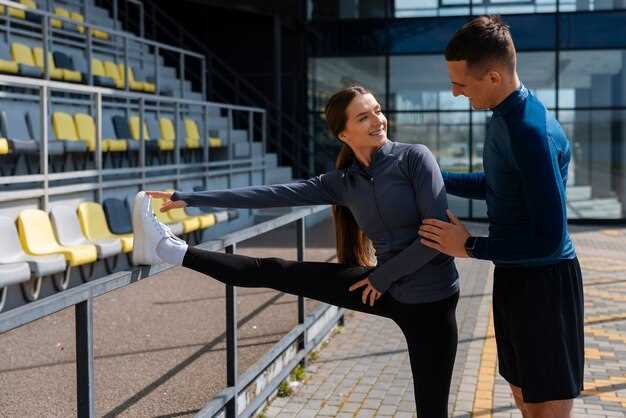
In the high-speed world of race driving, quick reflexes and sharp reactions are crucial for success. Incorporating targeted stretching routines can enhance muscular flexibility, reduce tension, and promote optimal neuromuscular function, ultimately leading to improved reaction times on the track.
One of the key areas to focus on is the neck and shoulders, as these muscles play a significant role in head and steering response. Gentle neck rotations and shoulder shrugs can alleviate stiffness, allowing for quicker head movements to spot competitors and navigate turns effectively.
Additionally, stretching the wrists and forearms can improve grip strength and control over the steering wheel. Simple stretches, such as wrist flexor and extensor stretches, will increase blood flow and flexibility, contributing to faster hand movements during critical moments of a race.
Core flexibility is essential as well; a dynamic stretch routine that includes torso twists and side bends can enhance the driver’s ability to shift weight quickly, maintaining balance and control through corners. This allows for sharper turns and improved stability.
Leg stretches, particularly focusing on the hamstrings and calves, will support overall leg mobility. Incorporating static and dynamic leg stretches, such as lunges and toe touches, ensures that drivers can efficiently operate pedals with speed and precision.
In summary, implementing targeted stretching exercises that focus on the neck, shoulders, wrists, core, and legs will lead to better reaction times in race driving. A structured stretching regimen not only enhances flexibility but also promotes faster reflex responses, critical for peak performance on the racetrack.
Dynamic Warm-Up Sequences to Prepare for High-Speed Racing
Dynamic warm-up sequences are crucial for race drivers, as they enhance flexibility, mobility, and overall performance. Engaging in these routines before racing helps to prepare the body for the intense demands of high-speed driving.
Start with a light cardio activity, such as jogging in place or jumping jacks, for about 5 minutes. This increases heart rate and promotes blood flow to the muscles. Following this, incorporate dynamic stretching movements that focus on the major muscle groups used in racing.
Leg swings, both forward-backward and side-to-side, effectively mobilize the hip flexors and adductors. Aim for 10-15 repetitions on each leg. Next, perform arm circles to loosen the shoulders and upper body. Gradually increase the size of the circles to improve range of motion.
Another effective exercise is the walking lunge with a twist, which not only stretches the hip flexors but also engages the core. Step forward into a lunge position and twist your torso towards the front leg. Repeat for 10 lunges on each side, ensuring to maintain proper alignment and control.
Additionally, incorporate torso rotations while standing. Keep your feet shoulder-width apart and rotate your upper body side to side, which enhances thoracic mobility essential for steering precision. Complete 15-20 rotations at a comfortable pace.
Finally, conclude the warm-up with a few dynamic stretches targeting the wrists and neck. Wrist circles and neck tilts help prepare these areas for the gripping and turning movements involved in racing. By following these dynamic sequences, drivers can significantly improve their physical readiness and performance on the track.
Recovery Stretches to Maintain Flexibility After Racing Events

After intense racing events, the body undergoes significant stress, leading to tightness in muscles and joints. Recovery stretches play a critical role in maintaining flexibility and enhancing overall performance. Engaging in targeted stretching routines post-race helps alleviate muscle tension and promotes faster recovery.
One effective recovery stretch is the standing quadriceps stretch. By standing on one leg and pulling the opposite heel towards the glutes, racers can help release tension in the front thigh muscles. Holding this position for 20-30 seconds on each leg enhances flexibility in the quadriceps, which are crucial for maintaining optimal driving posture.
Another valuable stretch is the seated hamstring stretch. Sitting on the ground with one leg extended and the other bent, racers can lean forward gently over the extended leg. This stretch targets the hamstrings and lower back, areas often strained during racing. Maintaining this position for 20-30 seconds helps preserve flexibility and prevent stiffness.
The butterfly stretch is also beneficial in promoting hip flexibility. Sitting with the soles of the feet together and gently pushing down on the knees with the elbows allows for a deep stretch in the inner thighs and hips. This position should be held for 20-30 seconds to ensure optimal flexibility is retained.
Incorporating these recovery stretches into a post-race routine is essential for sustaining flexibility, enhancing coordination, and preventing injuries in the long run. A dedicated stretching regimen not only aids in recovery but also supports better performance in future races.


