


Best Brake Upgrades for Track Cars
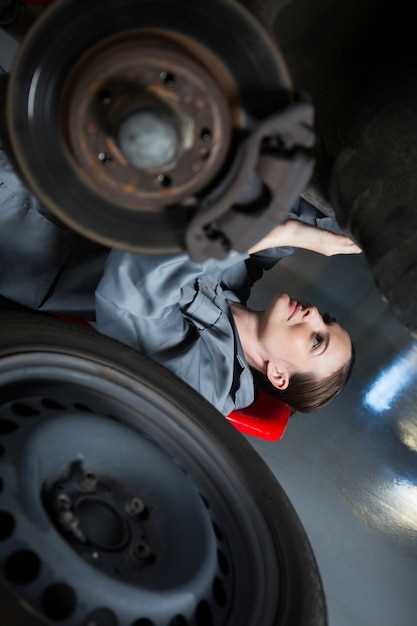
For enthusiasts pushing their high-performance track cars to the limit, the importance of reliable and potent braking systems cannot be overstated. Upgrading the brakes is essential not only for improving lap times but also for ensuring driver safety. A stock braking setup often falls short under the intense conditions of track racing, leading to brake fade and reduced stopping power. As a result, understanding the best brake upgrades can transform a car into a formidable competitor on the track.
One of the most effective ways to enhance braking performance is by investing in high-quality brake pads and rotors. Whether you choose ceramic or carbon-carbon options, these upgrades can significantly improve thermal stability and overall grip. Moreover, lightweight components can also reduce unsprung weight, enhancing your car’s handling dynamics. Choosing the right combination of upgrades is vital to obtaining the desired performance while maintaining reliability throughout extended race sessions.
Additionally, upgrading the brake lines and fluid is crucial for optimal performance. Stainless steel lines offer improved pedal feel and responsiveness, while high-temperature brake fluids withstand the extreme conditions often encountered on racetracks. These upgrades create a more direct connection between the driver’s input and the braking response, instilling confidence during high-speed maneuvers.
Choosing the Right Brake Rotors for Enhanced Heat Dissipation
When considering brake upgrades for high-performance track cars, selecting the appropriate brake rotors is essential for optimal heat dissipation. Overheating can lead to brake fade, compromising performance and safety. Therefore, understanding rotor design and material is fundamental.
Ventilation is Key: Opting for ventilated rotors is crucial. These rotors feature internal channels that allow air to flow through, enhancing cooling capabilities during intense braking. Cross-drilled or slotted rotors can further improve heat dissipation by providing additional surface area for air circulation. However, it’s important to balance between cooling efficiency and structural integrity.
Material Matters: The material of the rotor also plays a vital role in heat management. Carbon composite or high-carbon cast iron rotors are often preferred for their ability to withstand high temperatures without warping. Additionally, some aftermarket rotors are manufactured using advanced materials that enhance thermal conductivity, allowing for quicker heat dissipation and improved performance.
Thickness and Weight: The thickness of the rotor can influence heat storage and dissipation. Thicker rotors may retain heat longer but can also provide better heat absorption during consistent braking. On the other hand, lightweight rotors can reduce unsprung weight, improving overall vehicle dynamics. Striking the right balance based on individual performance goals is essential.
Proper Bedding In: After upgrading to new rotors, a proper bedding process is necessary. This procedure helps transfer a layer of pad material to the rotor surface, optimizing contact and heat dissipation. Ignoring this step can lead to uneven wear and reduced braking efficiency.
In conclusion, choosing the right brake rotors is vital for enhancing heat dissipation in high-performance track cars. By focusing on ventilation, material quality, thickness, and proper bedding, you can significantly improve braking performance under demanding conditions.
Upgrading Brake Pads: Material Options for Optimal Grip
When it comes to enhancing the performance of high-performance track cars, choosing the right brake pads is critical. The material of the brake pads significantly affects grip, heat tolerance, and overall braking efficiency. Understanding the available options can help track enthusiasts make an informed decision that aligns with their performance goals.
One of the most popular materials for high-performance brake pads is semi-metallic. These pads are composed of metal shavings mixed with other materials like rubber and glass. They offer excellent heat dissipation, ensuring consistent performance during extended track sessions. However, they may produce more noise and dust, which is a consideration for some drivers.
Another option is ceramic brake pads, known for their low dust output and quieter operation. While they provide good grip under normal conditions, their performance can vary at extreme temperatures compared to semi-metallic options. Ceramic pads are ideal for those who value a cleaner wheel and less noise but might compromise on performance during high-stress situations.
For track-specific applications, carbon-carbon brake pads are gaining popularity. These pads are designed to withstand extremely high temperatures and offer exceptional grip. Their ability to perform consistently at elevated temperatures makes them an ideal choice for professional racing. However, they are usually more expensive and may require specific rotors to optimize their performance.
Lastly, organic brake pads are composed of non-metallic materials and are typically softer. They excel in providing initial bite and are quieter, but their performance may fade under heavy use and high temperatures. These pads are often suited for casual track days rather than professional racing scenarios where optimal performance is necessary.
In summary, upgrading brake pads with the right material can significantly enhance the performance of high-performance track cars. Each option–semi-metallic, ceramic, carbon-carbon, and organic–offers distinct advantages and drawbacks, making it essential for drivers to assess their specific needs and performance goals before making a choice.
Caliper Modifications: Increasing Clamping Force for Better Stopping Power

Caliper modifications are essential when considering brake upgrades for high-performance track cars. The brake caliper serves as the central component that applies pressure to the brake pads, resulting in increased stopping power. Enhancing the clamping force produced by the calipers directly influences the overall braking efficiency of a vehicle.
One effective way to increase clamping force is by upgrading to a larger caliper designed for higher performance. Larger calipers allow for the use of bigger pistons, which translates to a greater force applied to the brake pads. This improvement can significantly reduce stopping distances, especially during intense track conditions.
Another modification involves using caliper spacers. By altering the position of the caliper relative to the rotor, spacers can help optimize the alignment and increase the effective leverage applied to the rotor during braking. This adjustment can enhance brake response, providing drivers with improved control and confidence when decelerating.
Additionally, switching to multi-piston calipers can further amplify clamping force. Multi-piston designs distribute pressure more evenly over the brake pads, enhancing contact and reducing the likelihood of brake fade. These systems are particularly beneficial under high-performance conditions where consistent braking performance is required.
Finally, upgrading the caliper material to lightweight, high-strength alloys can enhance performance. Lighter calipers reduce inertia, allowing for quicker response times. Furthermore, high-performance materials can withstand greater heat, thus maintaining their structural integrity under extreme conditions.
Incorporating these caliper modifications as part of your brake upgrade strategy is crucial for maximizing braking performance in high-performance track cars, delivering the confidence and precision required to tackle demanding circuits.


