


How to Master Cornering on the Track

Effective cornering is one of the most critical skills in achieving success on the racetrack. Whether you are a novice or a seasoned driver, understanding the intricacies of cornering techniques can significantly impact your lap times and overall performance. To excel in racing, it is essential to learn how to navigate corners with precision, maintaining optimal speed while adhering to the ideal racing line.
The racing line refers to the optimal path a vehicle takes through a corner, maximizing speed while minimizing tire wear and maintaining control. Mastering this concept involves analyzing the track layout, recognizing each corner’s unique characteristics, and applying the appropriate techniques to glide through them seamlessly. By focusing on weight transfer, throttle control, and steering input, you can improve your cornering efficiency and gain a competitive edge.
In this article, we will delve into the fundamental techniques of cornering, exploring how to select the best racing line and execute each turn with confidence. From apex positioning to braking points, we will provide you with the knowledge needed to transform your cornering abilities and enhance your track success.
Identifying the Ideal Racing Line for Every Turn
The racing line is the optimal path a driver should take through a turn to maximize speed and minimize lap time. Identifying this line is crucial for effective cornering techniques. Each turn on the track presents unique characteristics, requiring drivers to adapt their approach accordingly. A thorough understanding of the track layout, the dynamics of the vehicle, and the physics of cornering will aid in finding the ideal racing line.
To identify the ideal racing line for a turn, begin by observing the apex. The apex is the point where the driver should ideally clip the inside of the corner, allowing for the quickest exit. A common strategy is to approach the turn from the outside, using the full width of the track to maximize speed. This wide entry allows for a smoother transition into the apex.
Exiting the turn is equally important. After hitting the apex, gradually unwind the steering wheel while accelerating to the outside of the track. This technique not only helps in maintaining momentum but also prepares the driver for the next corner. Understanding how to apex correctly enhances the ability to determine the ideal line through subsequent turns.
Each corner may require a slightly different racing line based on factors such as elevation changes, surface grip, and corner radius. It is essential to practice and analyze different approaches to determine the most effective line for each specific turn. Utilizing tools like telemetry data can provide insights into speed and throttle application, assisting in refining the racing line.
Lastly, weather conditions and tire performance can impact the racing line. Adjusting to these variables ensures that the driver can maintain optimal speed and control consistently. Mastering the art of identifying the ideal racing line for every turn is an invaluable skill that can lead to improved track performance and race outcomes.
Applying Braking Techniques to Optimize Corner Entry

Effective braking is crucial for achieving optimal corner entry, as it directly influences your line through the turn. The goal is to decelerate efficiently while maintaining vehicle stability, enabling smoother transitions into corners.
The first key aspect of braking technique is threshold braking. This involves applying maximum pressure to the brake pedal without locking the wheels. By achieving this balance, you can slow down as much as possible without losing traction. Initiating braking early allows for a smooth reduction in speed, facilitating a controlled entry into the corner.
As you approach the turn, gradually release the brakes while guiding the vehicle towards the apex. This technique, often referred to as trail braking, helps to shift weight to the front tires, increasing their grip. This added traction allows for a tighter line through the corner, improving overall cornering speed.
Adjusting braking points according to corner characteristics is essential. For tighter corners, start braking earlier and begin the turn at a reduced speed. In contrast, for wider corners, you can brake later, taking advantage of the available grip and allowing for a faster line. Understanding the track layout and adapting your braking strategy accordingly is key to mastering cornering.
Additionally, practicing smooth, progressive braking rather than abrupt stops will enhance your cornering abilities. A smooth braking transition helps keep the car balanced and reduces the likelihood of understeer or oversteer. This balance is vital for maintaining speed through the corner and positioning your vehicle optimally for the exit.
Utilizing these braking techniques skillfully will not only improve your corner entry but also set you up for a more efficient and faster line through the entire turn, contributing significantly to your track success.
Body Positioning and Throttle Control During Cornering
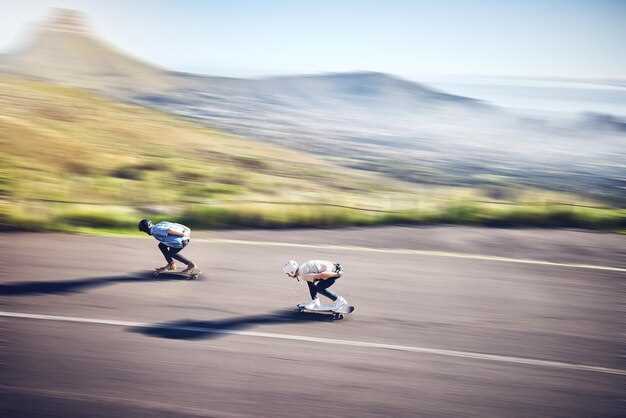
Effective cornering is essential for track success, and two critical aspects that influence this are body positioning and throttle control. Proper body positioning helps maintain balance and enhances bike stability, while precise throttle control ensures optimal acceleration out of the turn.
When approaching a corner, the rider should shift their body weight toward the inside of the turn. This shift lowers the center of gravity and improves traction by increasing the load on the tires. Leaning in also enables the rider to better control the bike’s line through the corner. A well-defined line helps reduce the risk of going wide or crashing, as it allows for a smoother transition throughout the curve.
As the rider enters the corner, it is paramount to gradually reduce speed while maintaining a steady throttle. This involves utilizing the rear brake to help establish the desired speed without upsetting the bike’s balance. As the cornering progresses and the desired line is achieved, the rider can begin to increase throttle input smoothly. This gradual application of throttle is crucial for preventing loss of traction, allowing for better acceleration as the bike exits the corner.
The concept of “slow in, fast out” applies here; entering the corner at a manageable speed enables the rider to smoothly apply throttle and effectively exit at a higher speed. Consistent body positioning, combined with mindful throttle control, creates a harmonious riding experience that leads to improved lap times and overall track performance.


